
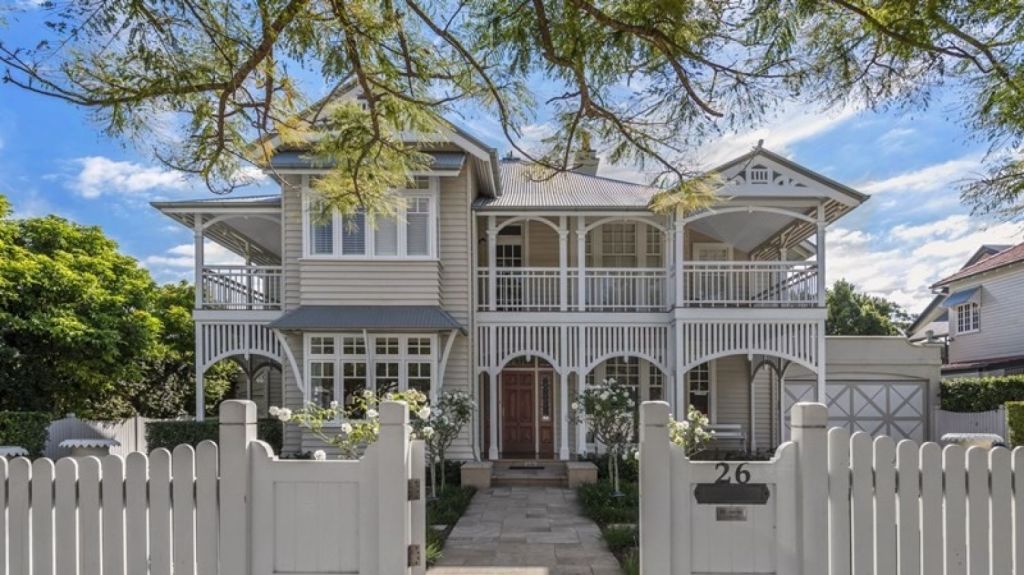

I have just moved back to Queensland, Australia (QLD) after 21 years. The last time I lived in QLD was for university and when I finished in 2000, I had secured an amazing graduate opportunity in Melbourne and couldn’t have left fast enough. I was an adult, I had a degree, a job and the world was my oyster!
Fast forward to today and I have lived in Melbourne, London and Sydney, met my wonderful husband and had three beautiful children. And whilst living in London for the second time, my husband and I decided it was time to finally go “home” and give our children the lifestyle we grew up with. Sunshine, a big backyard, a pool if we were lucky and most importantly, grandparents, cousins, aunts and uncles.
So here we are in Brisbane and I have fallen in love all over again with the Queenslander house. I’ve never lived in a Queenslander and never thought I would but walking past these magnificent beauties every day on my strolls around the neighbourhood has made me want to embrace fully our return home, including living in one of these glorious old houses.
The Queenslander style home started being built in the late nineteenth century, making some of these homes over 100 years old, and is considered the most iconic Australian architectural style. The traits of a Queenslander are:
- Single level home, detached on a separate block of land
- High set on stilts
- Made of timber with a corrugated roof
- Large verandah extending around the house but not usually enclosing it
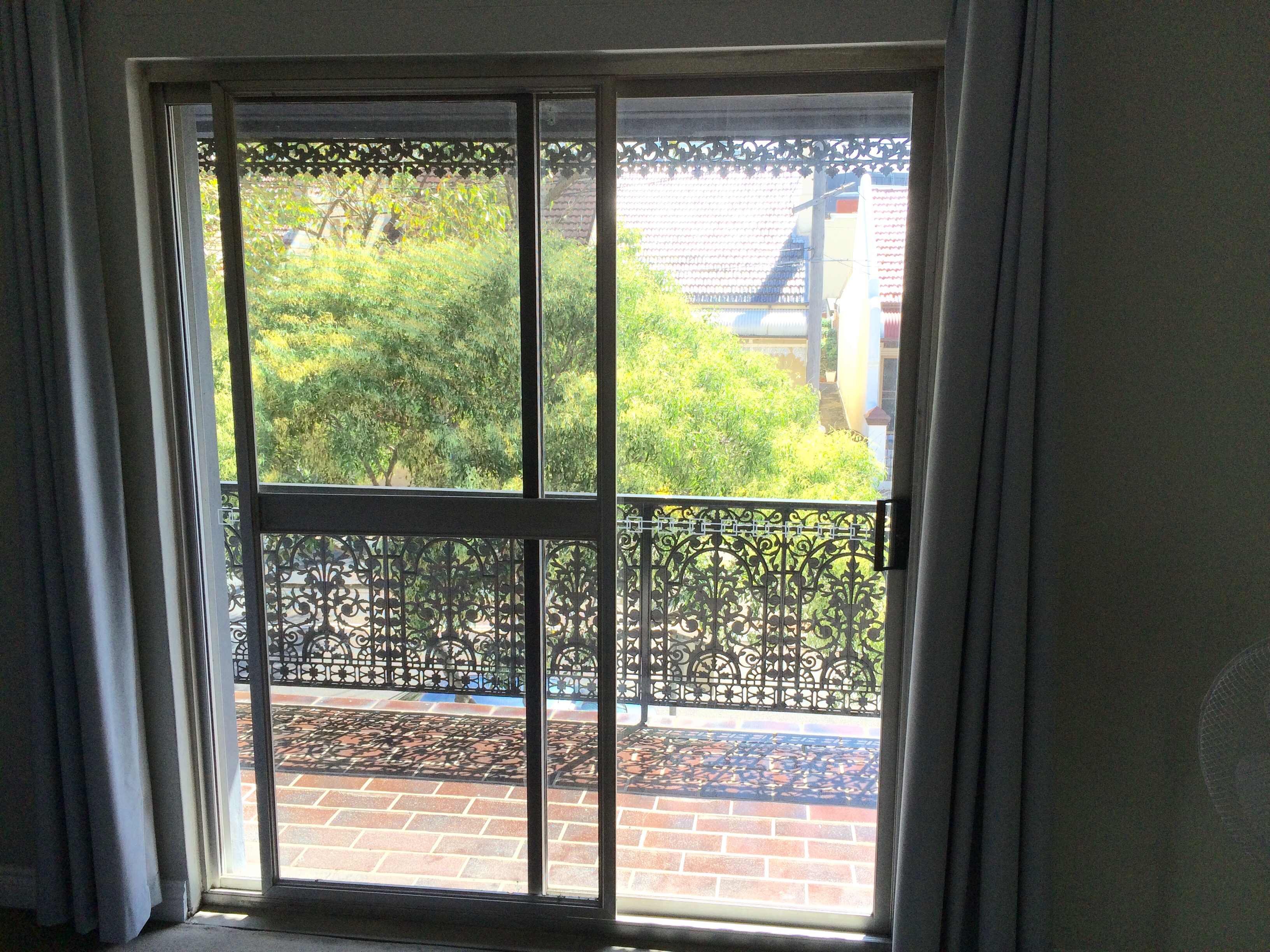
- Decorative features such as cast iron or timber balustrades and coloured glass windows
While this style of architecture at first seems based on an aesthetic desire (because it’s so pretty!) in actual fact every feature was born from environmental and climate requirements, in addition to available building resources and the lifestyles of the time. This type of architecture is called “vernacular architecture”, where traditional or indigenous architecture has evolved over time based on local needs.
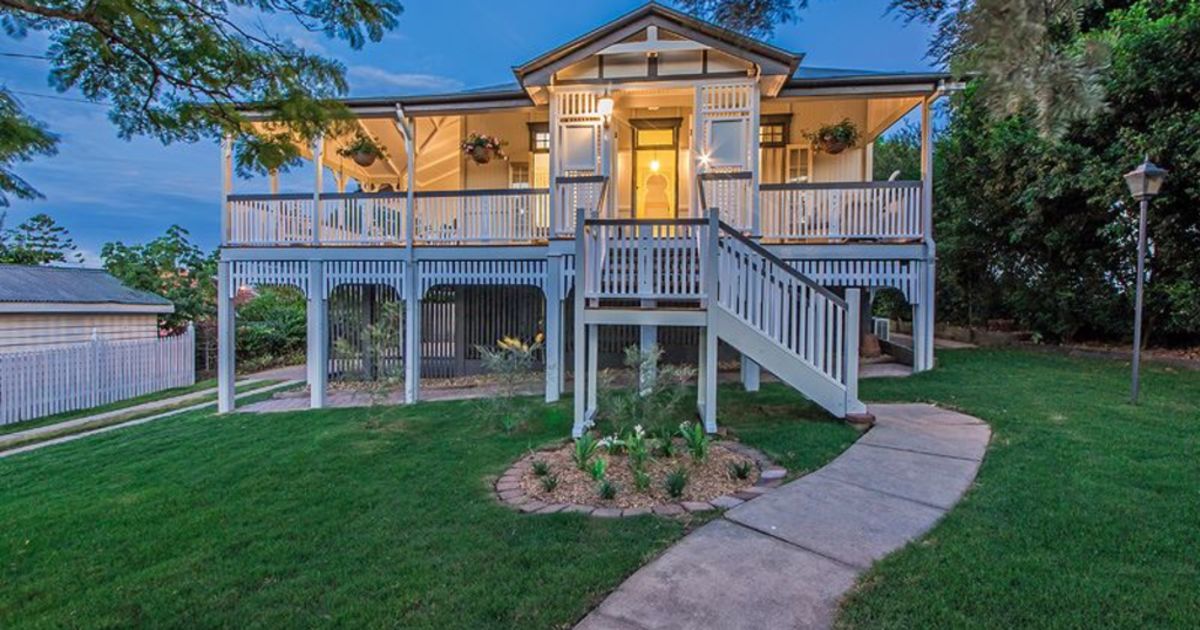
To explore these features further and the reasons they were developed, lets start with the single level home set high on stilts. Queensland is HOT. It is so hot I didn’t think I could ever live here again, especially with my freckled skin and red hair. Before electricity and air conditioning, the houses were designed on stilts and stand alone to attract every small gust of wind under and around to cool the house down. The stilts also lessened the risk of the timber home above being attacked by termites.
Queenslanders are made from timber, which was cheap at the time and usually readily available from trees onsite. Long planks of timber were overlapped in a clapboard or weatherboard style giving excellent insulation for the humid climate. The timber and corrugated iron sheeting for the roof do not retain heat so are perfect for those hot summers over 40 degrees. Many in the northern hemisphere may be shuddering at the thought of cold winters in these cool houses but temperatures, certainly in Brisbane, usually bottom out at a mild 9 degrees in the evening.
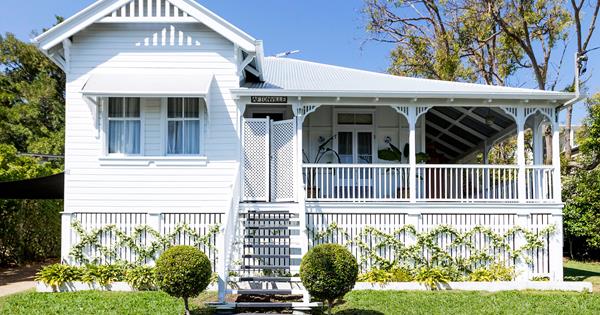
The large verandah allows that idyllic inside / outside lifestyle whereby windows and doors can be left open to capture the breeze whilst being protected from sun and rain. The verandah usually wrapped around most of the house and gave views over the garden, offering another living zone to the home.
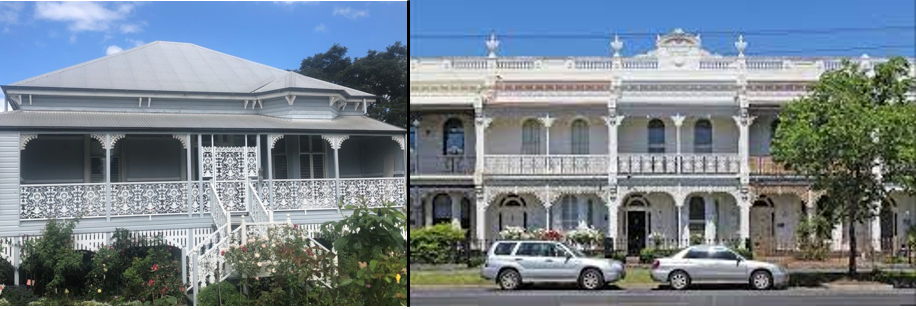
The verandah and façade of the house usually had charming details such as balustrades and fretwork. Interestingly whilst these Queenslander houses were initially designed out of necessity for the climate and access to local and cheap building materials I suspect over time as these houses were built by more affluent families the decorative features were inspired by Victorian terraces, preceding the Queenslander style by 30 years in Australia.
However, the Queenslander has evolved in modern times. Many are “lifted” and a ground floor built underneath to maximise space. Partial enclosure of verandahs has occurred, starting with the aptly named “sleep-out”, which was probably a bit breezy, to now complete inclusion within the house structure. Blocks (plots or lots) have been subdivided to capitalise on increasing land values and neighbours can peer into each others homes as dwellings are built mere metres apart. And as some of these beautiful old homes are extended to maximise space, some renovations are more sympathetic than others.
The Queenslander is the most iconic Australian house style ever built. And whilst practical it is also beautiful. It captures perfectly the style of living in this hot climate where families live seamlessly inside and outside, eternally escaping the unforgiving sun and occasional tropical rains. I hope they continue to be preserved as the demands of increased housing prices and building costs influence our historical streetscape. And I dream of living in my very own one day, continuing the custodianship of these beautiful and functional architectural masterpieces.




 Propertyosophy